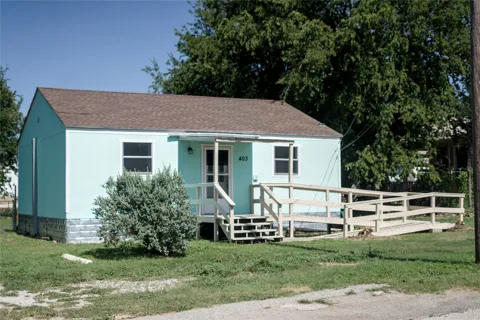
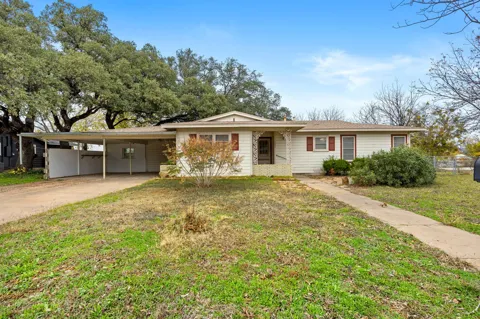
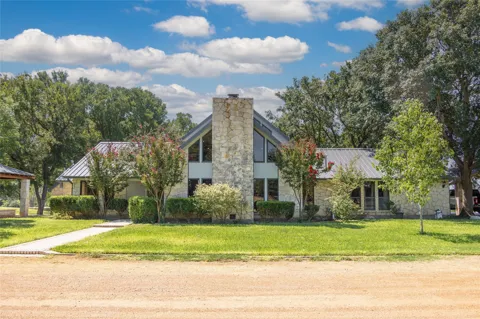
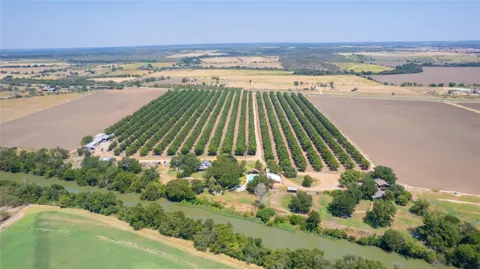
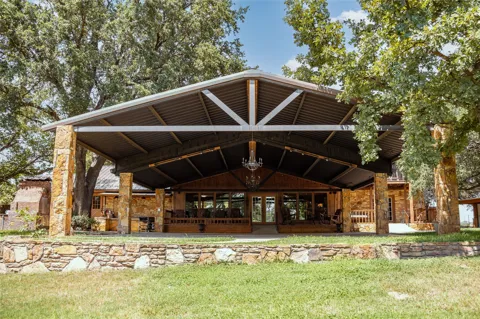
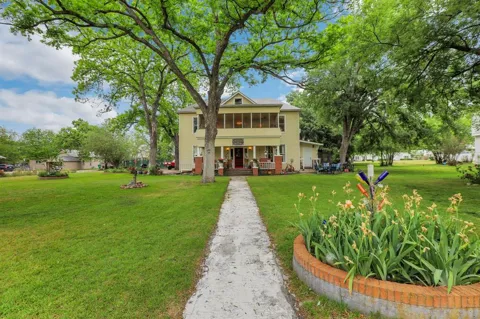
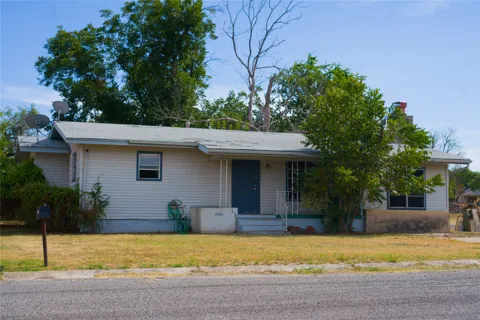
 For Sale
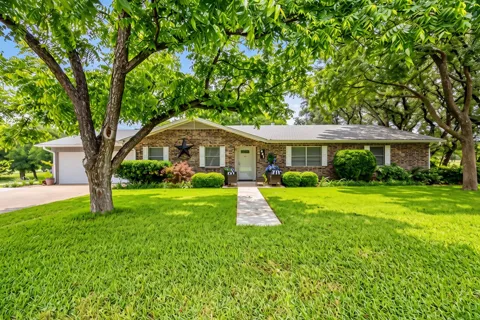
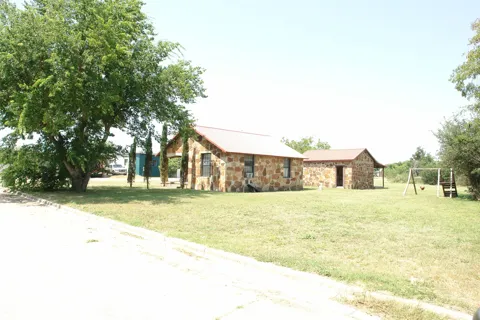
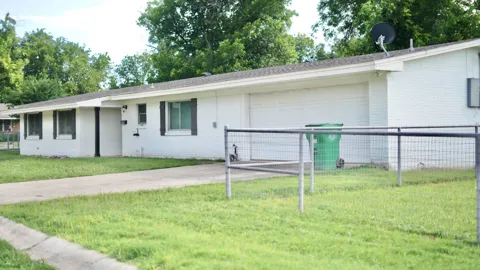
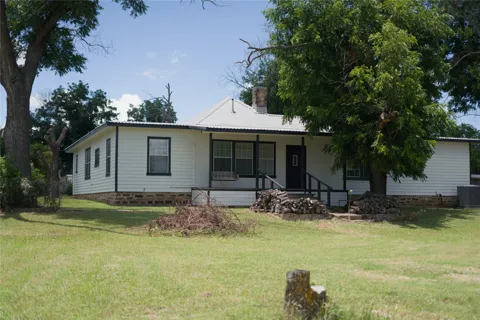
2007 W Commerce Street
San Saba, TX 76877
2 bd
2 ba
1184 sqft
1950
built

Pecan Capital of the World
San Saba is the Central Texas county seat known as the Pecan Capital of the World, set along the San Saba River on the edge of the Hill Country.
San Saba is a city in Central Texas and the county seat of San Saba County, sitting on the edge of the Texas Hill Country. The 2020 census recorded a population of 3,117, making it a small but historically significant county seat. The city was settled in 1854 and takes its name from the San Saba River, which flows through the area; the county itself was organized from Bexar County in 1856. San Saba is best known by the title it has long claimed: the "Pecan Capital of the World." Pecan orchards dot the surrounding countryside, and the pecan industry — from growing and shelling to marketing — remains a pillar of the local economy. That agricultural base is broader than a single crop, however, encompassing wheat, peanuts, fruit, grain sorghum, and livestock such as cattle and sheep. This working landscape gives San Saba an authentic, rooted character rather than a purely residential or tourist-oriented one. The city functions as the civic and commercial center of a largely rural county, with a courthouse square, home-owned retail businesses, restaurants, and community institutions. The San Saba River and the city's parks offer local outdoor recreation, and the surrounding Hill Country provides hunting, fishing, and scenic countryside. The city operates its own utilities, including a noted water supply, reinforcing its self-contained small-town identity. For those drawn to Central Texas, San Saba offers a genuine small-town lifestyle tied to agriculture and the pecan trade, with open land, a slower pace, and the natural beauty of the river and the Hill Country. It appeals to buyers and families seeking community, space, and a distinctive sense of place rather than suburban growth.
San Saba is known as the 'Pecan Capital of the World.' The city and surrounding San Saba County have a long-running pecan industry, with orchards, shelling operations, and a pecan heritage that draws visitors from across Texas.
San Saba is the county seat of San Saba County in Central Texas, on the edge of the Texas Hill Country. The county was organized in 1856, and the city was settled in 1854 and named for the San Saba River.
The 2020 census recorded San Saba's population at 3,117. It is a small county seat whose economy centers on agriculture, including pecans, wheat, peanuts, fruit, grain sorghum, and livestock raised across the surrounding San Saba County countryside.
The San Saba River, for which the city and county are named, runs through the area. The river and the city's parks provide outdoor recreation, while the surrounding countryside offers hunting, fishing, and Hill Country scenery.
City Guide
San Saba's housing reflects its rural, small-town setting, with a stock of modest single-family homes on generous lots in and around the city center, plus larger acreage and agricultural properties in the surrounding county. Development is low-density, and many homes sit on tree-shaded streets near the river. The market favors buyers seeking affordability, space, and a connection to the land, with pecan orchards and farmland a common feature of the wider landscape rather than the exception.
San Saba offers the measured, community-centered lifestyle of a small Central Texas county seat. Local life is anchored by home-owned shops and restaurants, schools, churches, and the agricultural calendar that has long defined the area. The city's identity is inseparable from the pecan industry, which shapes both the economy and the town's sense of place. Residents enjoy a safe, unhurried pace, with city-owned utilities and parks contributing to the community's self-sufficiency and small-town appeal.
San Saba is served by its own independent school district, which anchors education for the city and the surrounding county. The schools are a central part of community life in this small county seat, hosting the events and traditions that bind the town together. The district's compact scale means students attend neighborhood schools close to home, and the schools share in the city's strong local identity.
San Saba sits at the crossing of regional highways that connect it to the wider Central Texas landscape: U.S. Highway 190 runs east-west and State Highway 16 runs north-south through the city. These corridors link San Saba to nearby Hill Country and Central Texas towns and, by extension, to larger cities in the region. Daily life in this rural county seat is car-dependent, with the highways serving as the main routes for commuting, commerce, and travel.
The San Saba River is the city's central natural feature, offering a place for fishing, swimming, and riverside relaxation, with city parks adding green space and gathering areas. Beyond town, the surrounding Hill Country provides hunting, fishing, and scenic drives, while the pecan orchards and agricultural countryside define the landscape. The city's pecan heritage also draws visitors interested in the orchards and the local industry that has made San Saba famous.
MARKET SNAPSHOT
How homes have been selling here over the last 90 days.
Market data reflects closed sales over the last 90 days and is provided for informational purposes.
BROWSE BY ZIP
Browse listings by postal code in this area.