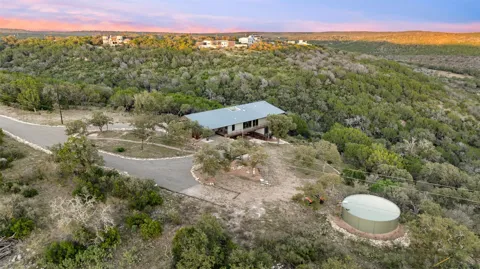
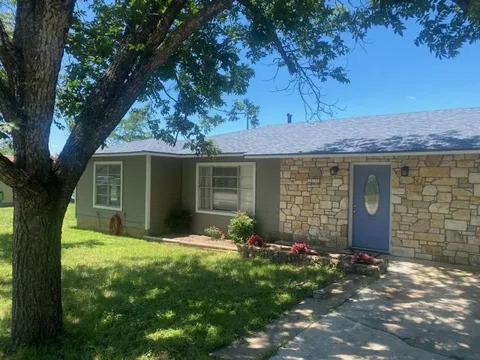
 For Rent
720 West Street
Burnet, TX 78611
2 bd
2 ba
1668 sqft
1969
built

Hill Country County Seat
Welcome to Burnet, the Burnet County seat in the Texas Hill Country, framed by Longhorn Cavern, Inks Lake, and the Highland Lakes.
Burnet is the county seat of Burnet County, Texas, situated on the Edwards Plateau in the central Texas Hill Country about 54 miles northwest of Austin. It is a small city of roughly 6,500 residents that serves as the civic and commercial hub for the surrounding Highland Lakes region. The town's origins reach back to the Texas frontier. In 1849, Fort Croghan was established near the site of present-day Burnet as one of a line of posts protecting settlers, and the community grew up around it. The fort remained active until 1852, and today the Fort Croghan Museum preserves that heritage with restored buildings and artifacts. Burnet County was founded in 1852 and organized in 1854, with Burnet as its seat. Burnet's modern identity is tied to its Hill Country setting and its proximity to two distinctive state parks. Longhorn Cavern State Park, with its limestone cavern and guided tours, and Inks Lake State Park, known for camping, hiking, and swimming, both lie nearby. The Highland Lakes — a chain of reservoirs on the Colorado River that includes Lake Buchanan and Inks Lake — frame the region's recreation economy and attract residents and visitors alike. The city is served by Burnet Consolidated ISD and is positioned on US 281, about 100 miles north of San Antonio and roughly 36 miles west of Georgetown and Interstate 35. Its location puts it within commuting range of the Austin metro while keeping it rooted in Hill Country small-town life. Burnet suits residents drawn to lake recreation, state parks, and a quieter rural pace, as well as those seeking acreage or second homes in the Hill Country. Its combination of frontier history, natural attractions, and highway access gives it a distinct place within one of Texas's most scenic regions.
Burnet is in Burnet County, Texas, on the Edwards Plateau in the central Texas Hill Country. It is the county seat of Burnet County and lies about 54 miles northwest of Austin.
Burnet grew up around Fort Croghan, a frontier military outpost established in 1849 to protect settlers. The fort was active until 1852, and the Fort Croghan Museum on the site preserves the town's early history.
Public schools in Burnet are part of Burnet Consolidated Independent School District, which serves students in pre-kindergarten through 12th grade. The district enrolls roughly 3,200 students across about six campuses and serves much of surrounding Burnet County.
Burnet is close to Longhorn Cavern State Park, known for its guided cave tours, and Inks Lake State Park, which offers camping, hiking, and swimming. The Highland Lakes, including Lake Buchanan and Inks Lake, are central to the area's recreation.
Burnet is about 54 miles northwest of Austin, roughly a 60- to 90-minute drive via US 183 and State Highway 29. It is also about 36 miles west of Georgetown and 100 miles north of San Antonio on US 281.
City Guide
Burnet's housing stock reflects a small Hill Country county seat that has absorbed steady growth from the region's popularity. The city offers a mix of older homes near the courthouse square and downtown, mid-century houses in established neighborhoods, and newer single-family construction on the town's edges. Buyers seeking more space can find acreage and ranch-style properties in the surrounding Burnet County countryside, while the town itself provides conventional lots and homes. The market spans modest starter homes, family houses, and larger custom homes, often with Hill Country views. Burnet's position between the Highland Lakes and Austin has made it a draw for both full-time residents and those seeking second homes or lake-country living.
Burnet is organized around its courthouse square, the civic and commercial heart of town, with older neighborhoods radiating from the center. Residential streets near downtown hold a mix of early and mid-twentieth-century homes, while newer subdivisions have developed on the city's outskirts as growth has spread from the lakes region. The surrounding Burnet County landscape is dotted with ranch properties and rural acreage rather than dense platted communities. Areas near US 281, which runs through town as a main street, blend residential and commercial uses. The town's compact, low-density character means neighborhoods are defined less by formal subdivision names than by their distance from the square and the surrounding Hill Country scenery.
Burnet offers a classic Hill Country small-town lifestyle centered on its historic courthouse square and its ties to the surrounding lakes and parks. The town serves as a hub for the Highland Lakes region, drawing residents and visitors for lake recreation, cave tours, and scenic drives. Community life revolves around the square, local shops and eateries, and events that reflect the area's frontier heritage and Hill Country identity. The Fort Croghan Museum keeps local history visible, while the nearby state parks provide year-round outdoor recreation. For larger amenities, Austin lies about an hour away, giving residents a blend of rural Hill Country pace with access to the capital city's employment, culture, and airport.
Burnet is served by Burnet Consolidated Independent School District, which educates roughly 3,200 students in pre-kindergarten through 12th grade across about six campuses. The district serves the city of Burnet and much of surrounding Burnet County, with small portions extending into neighboring Llano and Williamson counties. As a consolidated district, it brings together students from across a rural Hill Country footprint. The district offers a range of academic, athletic, and extracurricular programs and maintains a strong connection to the local community. Families in the area also have access to private schooling and homeschooling networks common in rural Texas, but the public district remains the central educational institution for the city.
US 281 runs through Burnet as its primary north-south route, connecting the city to San Antonio, about 100 miles south, and to Marble Falls and points north. State Highway 29 provides the main east-west corridor, linking Burnet to Georgetown and Interstate 35 about 36 miles east, and to Llano to the west. Austin, about 54 miles southeast, is reached via US 183 and State Highway 29, typically a 60- to 90-minute drive. There is no scheduled passenger rail or commercial air service in Burnet, so residents depend on personal vehicles, with the nearest major airport being Austin-Bergstrom International Airport. The city's highway network makes it a practical base for reaching both the Hill Country and the Austin metro.
Burnet sits at the center of one of Texas's most recreation-rich areas. Longhorn Cavern State Park, just outside town, offers guided tours of a limestone cavern carved over millennia, along with hiking and birding. Inks Lake State Park provides camping, swimming, fishing, and trails, including routes to scenic overlooks. The Highland Lakes — Lake Buchanan and Inks Lake among them — anchor boating, fishing, and waterfront recreation, and the Colorado River supports river cruises with bald eagle viewing in the cooler months. The Fort Croghan Museum adds a historical outing. With Austin's amenities about an hour away and the Hill Country's winding roads and state parks surrounding the town, Burnet functions as a gateway to outdoor Texas.
MARKET SNAPSHOT
How homes have been selling here over the last 90 days.
Market data reflects closed sales over the last 90 days and is provided for informational purposes.
BROWSE BY ZIP
Browse listings by postal code in this area.