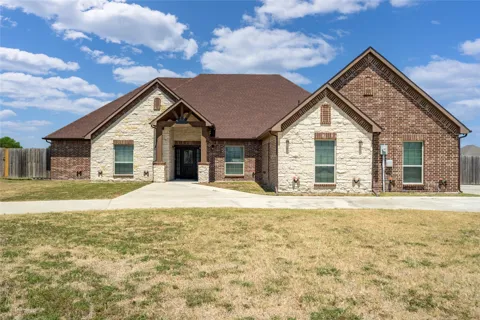
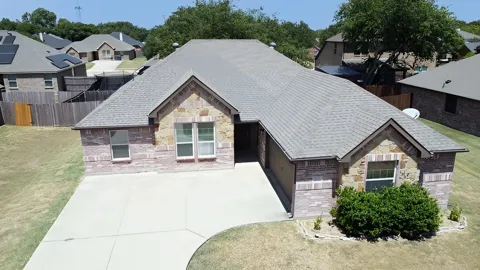
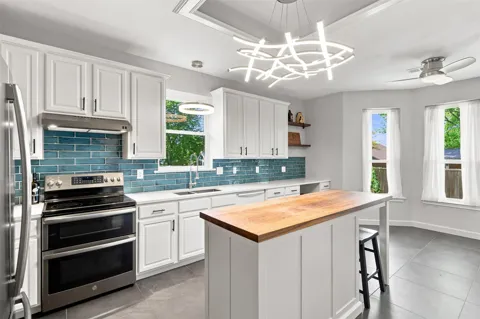
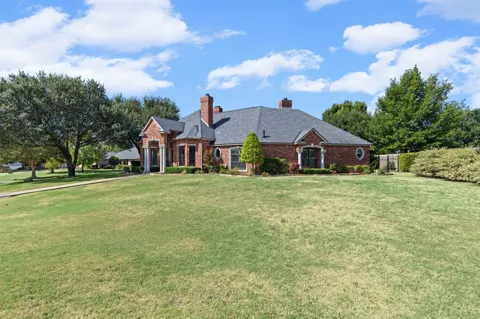
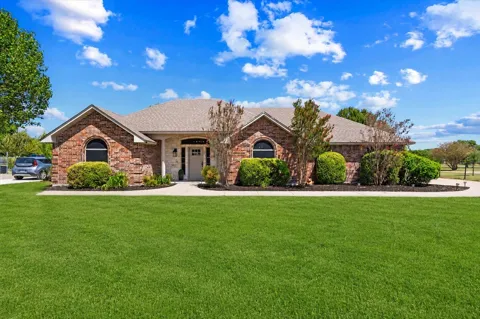
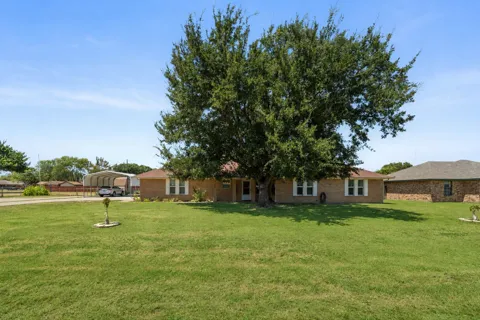
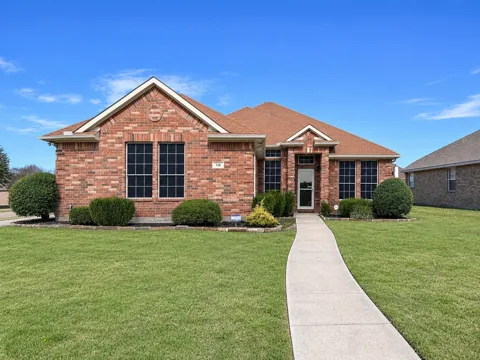
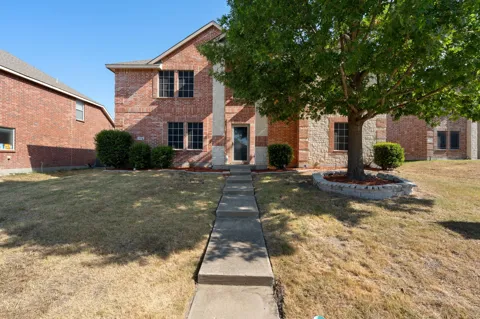
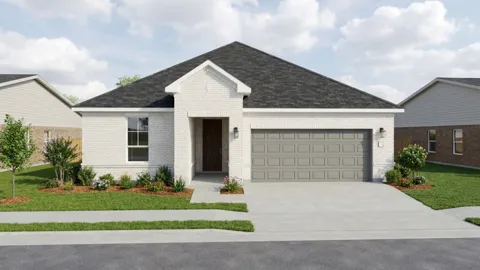
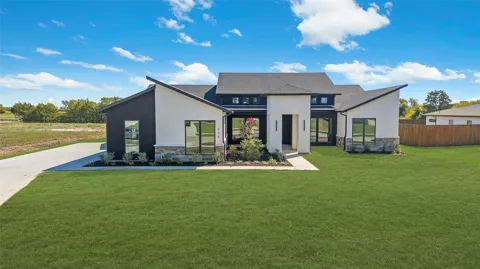
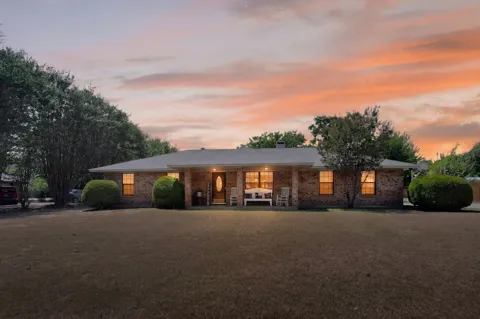
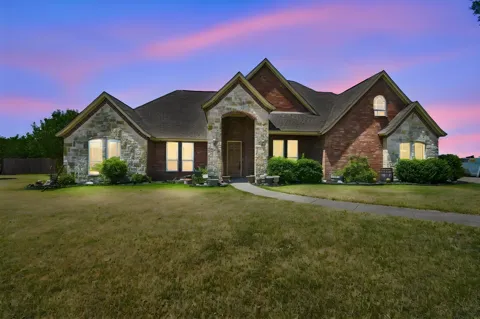
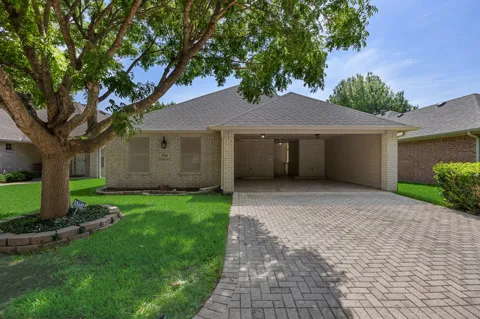
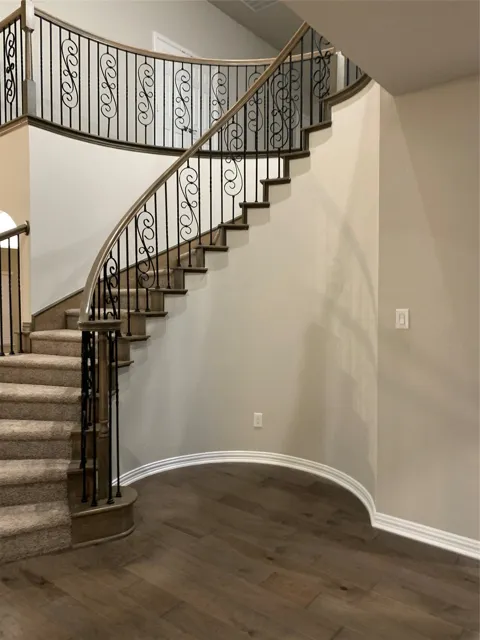
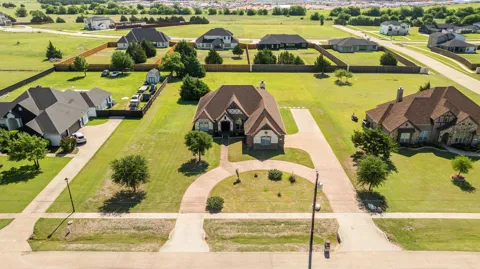
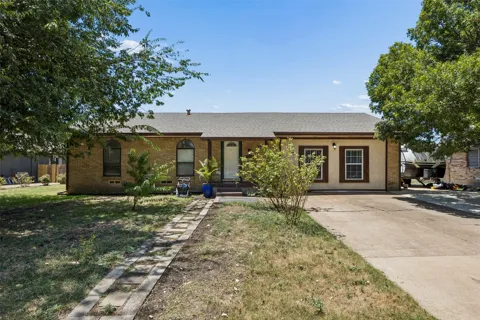
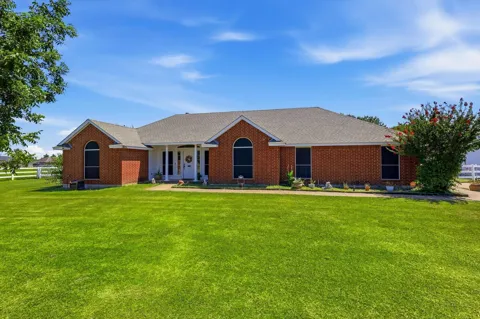
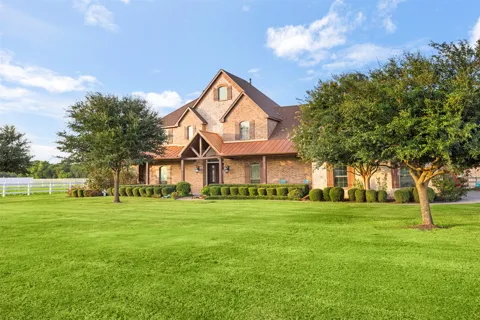
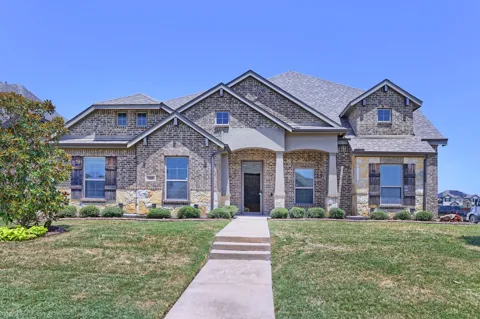
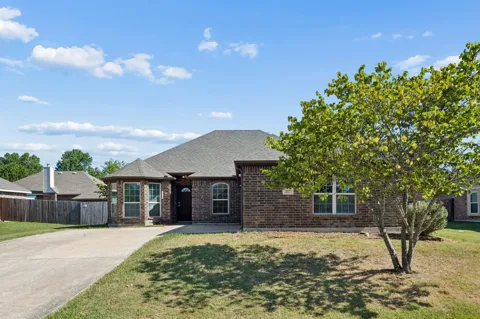
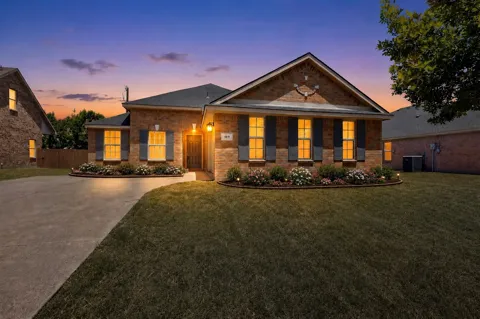
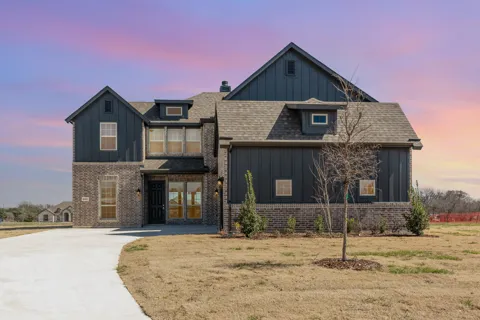
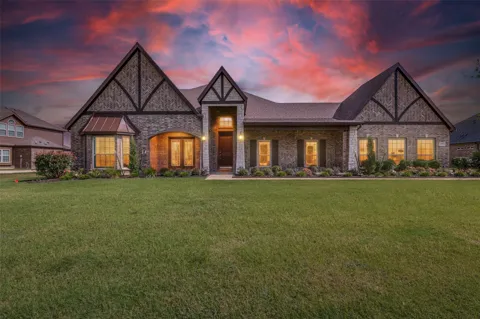
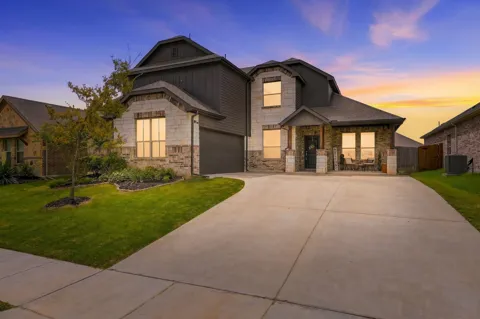
 For Sale
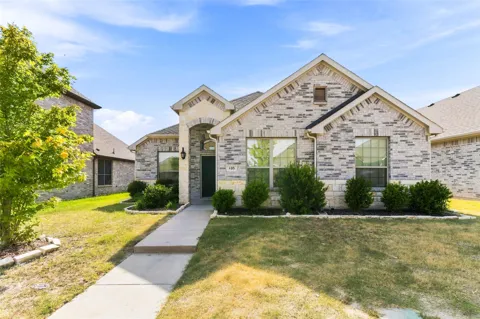
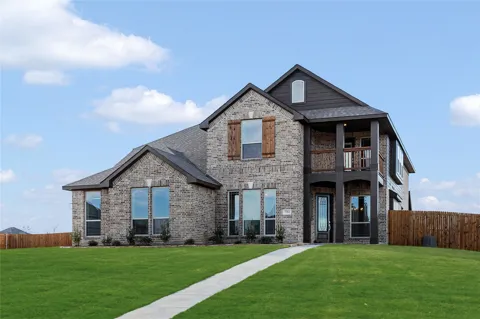
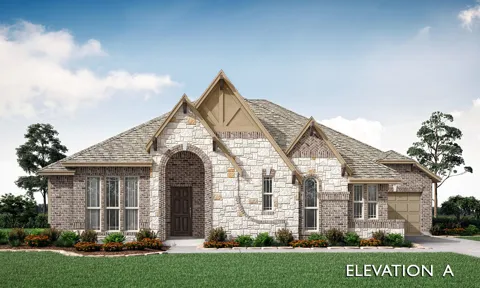
401 Llano Lane
Red Oak, TX 75154
4 bd
3.5 ba
2691 sqft
2023
built

Ellis County Dallas Suburb
Welcome to Red Oak, an Ellis County city on Interstate 35E that pairs a small-town feel with one of the quickest Dallas commutes south of the city.
Red Oak is a city in Ellis County, Texas, situated directly on Interstate 35E about 18 miles south of downtown Dallas, within the Dallas–Fort Worth metroplex. With a population of roughly 14,000 at the 2020 census, it anchors the northern tier of Ellis County alongside nearby Glenn Heights, Ovilla, and Lancaster. The city's story is one of steady suburban evolution. Red Oak grew up as a farming community, and the arrival of the Missouri-Kansas-Texas Railroad in 1884 connected the area to Dallas and Waco, planting the seed for what would become a commuter town. Through the late twentieth century, most residents worked in Dallas or Fort Worth, and the city has retained that bedroom-community identity even as it has grown and added its own commercial base. Transportation defines Red Oak's appeal. The city sits directly on I-35E, the principal highway between Dallas and Waco, with U.S. Highway 77 running nearby, and it lies within about 45 minutes of five interstate highways. That position gives residents one of the shortest Dallas commutes of any Ellis County city, while Fort Worth is roughly 30 minutes to the northwest. Local life is anchored by Red Oak Independent School District, an eight-campus system serving about 6,700 students, and by a parks-and-recreation network that includes Watkins Park. The city's newer subdivisions and community amenities reflect its role as a growing suburban address, while its small-town roots persist in local events and civic life. Red Oak suits commuters to Dallas or Fort Worth seeking newer, more spacious homes at a remove from the urban core, families drawn to the school district, and buyers who want Ellis County living with direct interstate access.
Red Oak is located in Ellis County, Texas, in the northern part of the county. It sits directly on Interstate 35E about 18 miles south of downtown Dallas and is part of the Dallas–Fort Worth metroplex.
Red Oak grew from a 19th-century farming and railroad stop into a Dallas bedroom community. The Missouri-Kansas-Texas Railroad reached the area in 1884, and by the 1980s most residents commuted to Dallas or Fort Worth for work.
Red Oak is served by Red Oak Independent School District, which operates eight schools and enrolls about 6,700 students in grades pre-K through 12. The district also serves portions of nearby Glenn Heights and Ovilla.
Red Oak sits about 18 miles south of downtown Dallas directly on Interstate 35E, making it one of the closest Ellis County cities to Dallas. Downtown Fort Worth is roughly 30 minutes to the northwest, and U.S. Highway 77 runs parallel to I-35E through the area.
City Guide
Red Oak's housing stock is predominantly newer suburban construction, reflecting its growth as a Dallas bedroom community. Buyers find a mix of single-family homes in master-planned and traditional subdivisions, with lot sizes that are often larger than comparable homes closer to Dallas. The city's land availability has supported continued new construction, giving the market a high share of contemporary floor plans, energy-efficient builds, and community amenities. Some established and acreage properties on the city's edges add variety for buyers seeking space or a semi-rural setting. The overall character is affordable, family-oriented suburbia with room to grow.
Red Oak's residential areas are built around the I-35E corridor and the city's compact civic core. Established neighborhoods sit near the downtown area and along Ovilla Road, while newer subdivisions have developed across the city's northern and western reaches, offering contemporary single-family homes and community amenities. Development also extends toward the nearby communities of Glenn Heights and Ovilla, which share the Red Oak school district and form a continuous suburban area in northern Ellis County. The mix of long-settled blocks and newer master-planned communities gives buyers options ranging from established streets to brand-new construction.
Life in Red Oak centers on family, schools, and the convenience of its Interstate 35E location. Community events, youth sports leagues, and parks such as Watkins Park anchor local life, with pavilions and green spaces hosting cookouts and gatherings. Everyday shopping and dining are available along the I-35E corridor and in nearby Waxahachie, while Dallas's employment, dining, and entertainment districts sit within a 20-to-30-minute drive. The city retains a small-town civic identity — its own schools, festivals, and public facilities — even as it functions as part of the wider Metroplex, giving residents a blend of community closeness and big-city access.
Red Oak is served by Red Oak Independent School District, an eight-campus system enrolling about 6,700 students in grades pre-K through 12. The district operates multiple elementary schools, Red Oak Middle School, and Red Oak High School, whose Hawks teams anchor community spirit. Because the district also serves portions of Glenn Heights and Ovilla, it functions as a regional school system for northern Ellis County. The district offers career and technical pathways, athletics, and fine arts, and it is a key consideration for families choosing where to live in the area.
Red Oak's location on Interstate 35E is its defining transportation asset, placing downtown Dallas about 18 miles to the north and Waco to the south along one of Texas's busiest corridors. U.S. Highway 77 runs parallel to I-35E through the area, providing a local alternative, and the city sits within about 45 minutes of five interstate highways, including I-20 and I-45. Fort Worth is roughly 30 minutes northwest. Most residents commute by car, and Dallas Love Field and DFW International Airport are both reachable within roughly 30 to 45 minutes, making the city a practical base for regional and air travel.
Red Oak's parks and recreation system is a central part of community life. Watkins Park is the city's most popular gathering place, with playgrounds, open green space, covered pavilions, and reservable gazebos for events and cookouts. The city's parks master plan guides the continued addition of trails, sports facilities, and amenities, and youth sports leagues are a community mainstay. Nearby regional destinations extend the options — Bear Creek Nature Park and the Cedar Ridge Preserve offer hiking and nature, while the parks and historic downtown of Waxahachie sit a short drive south.
MARKET SNAPSHOT
How homes have been selling here over the last 90 days.
Market data reflects closed sales over the last 90 days and is provided for informational purposes.
BROWSE BY ZIP
Browse listings by postal code in this area.