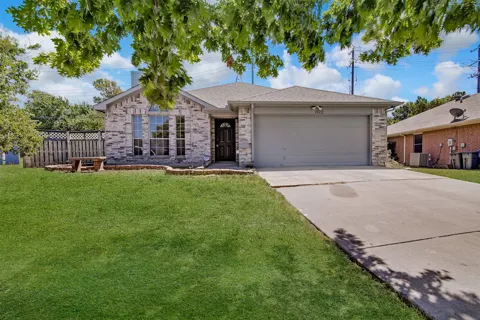
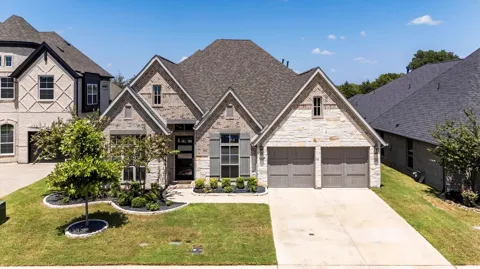
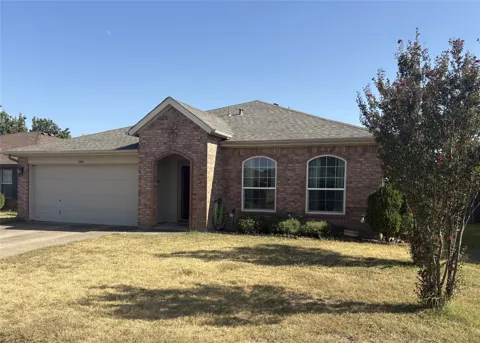
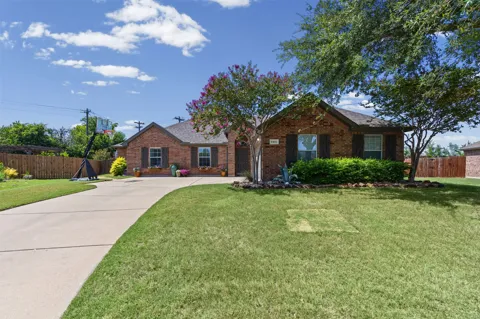
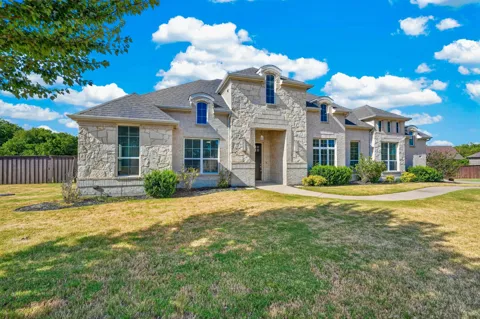
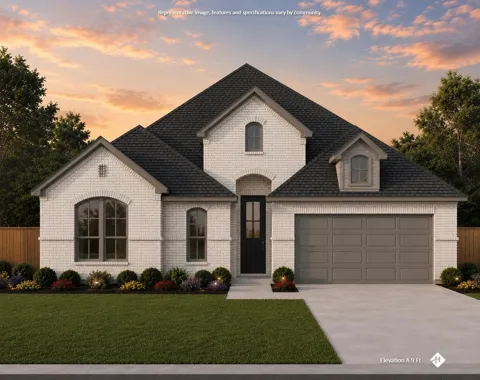
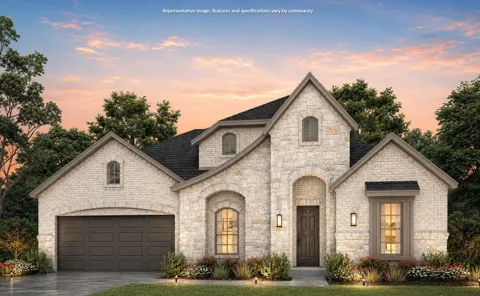
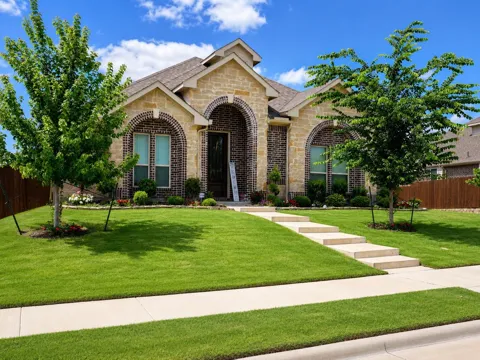
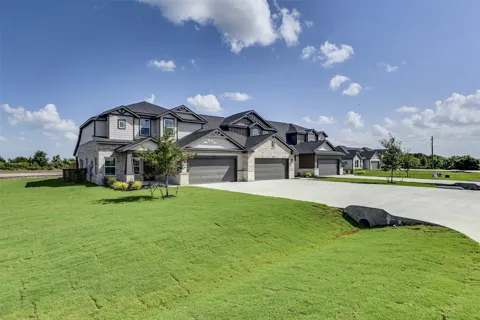
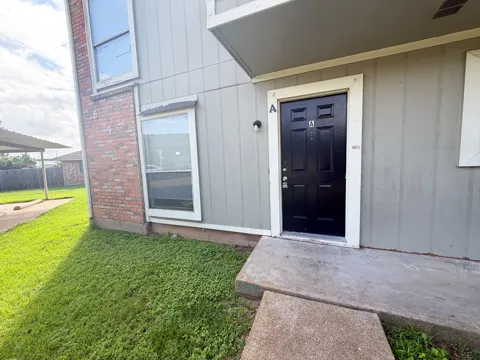
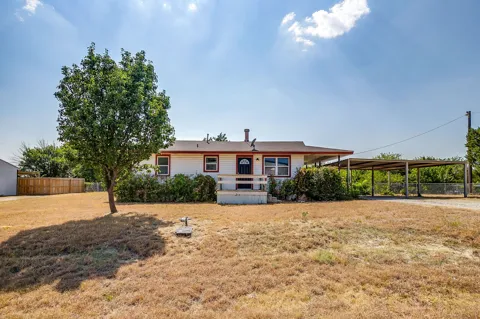
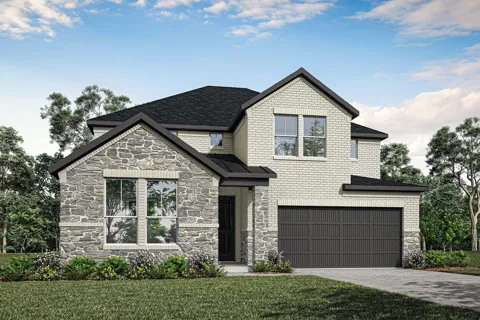
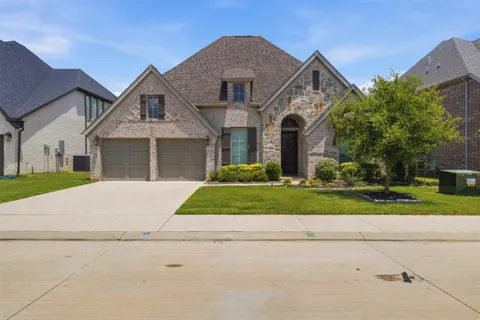
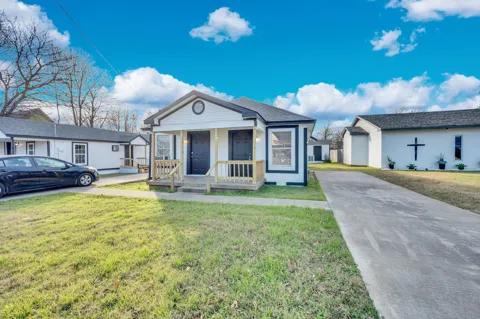
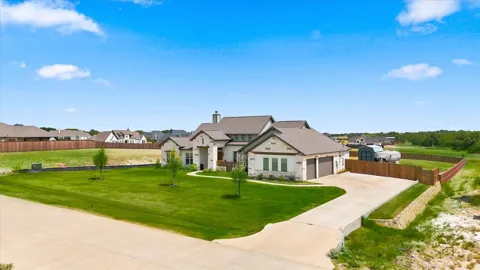
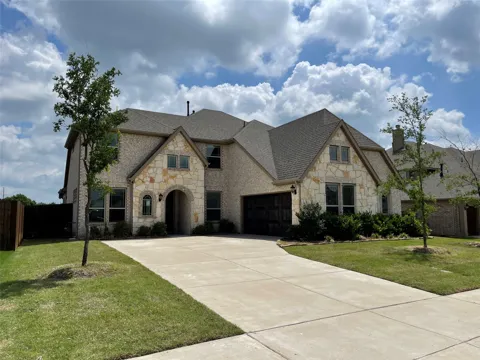
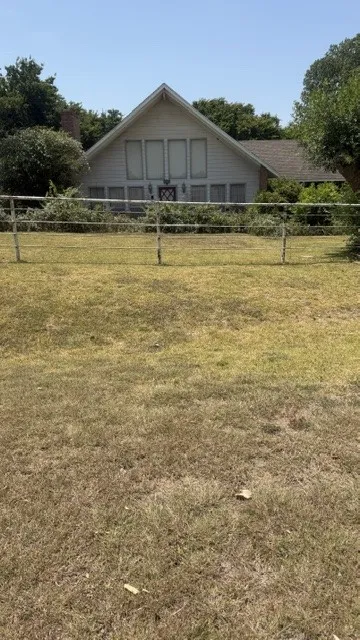
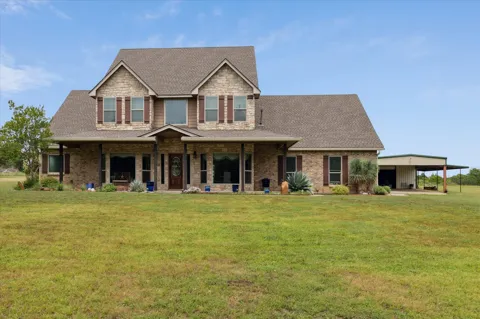
 For Sale
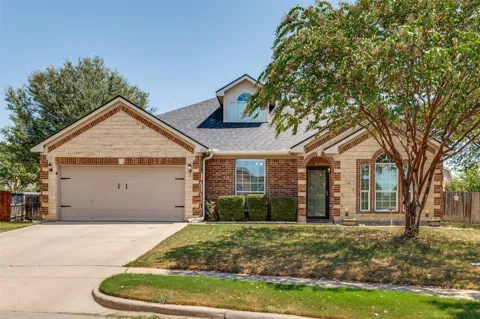
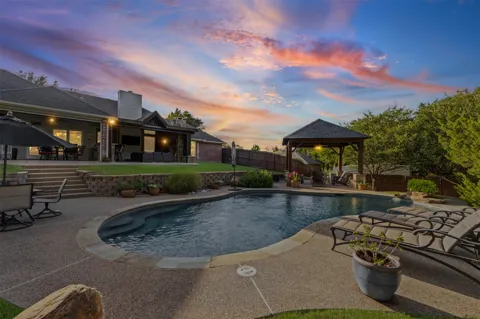
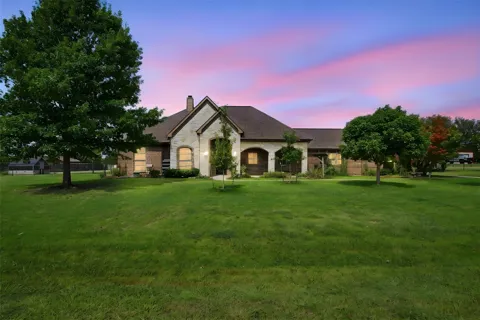
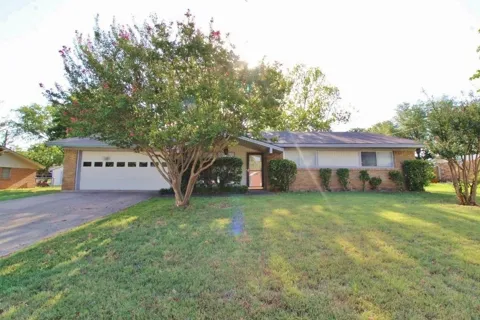
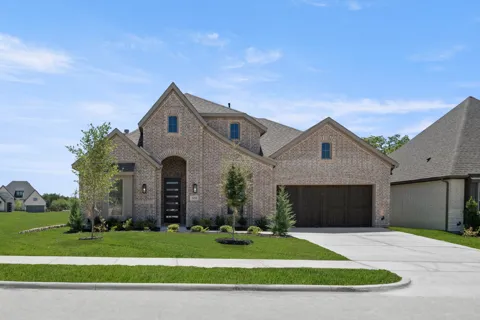
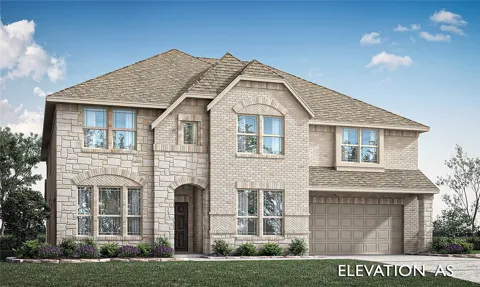
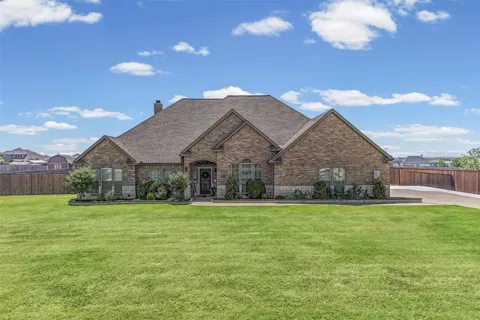
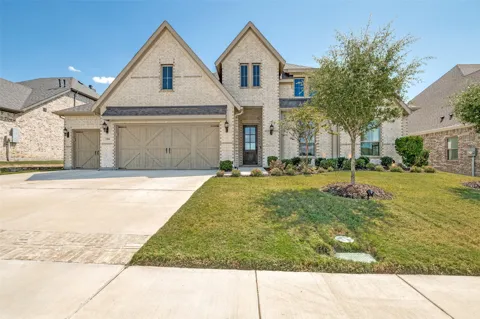
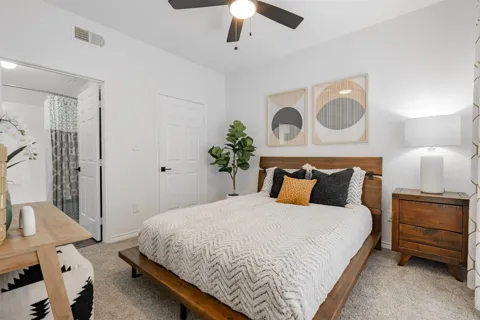
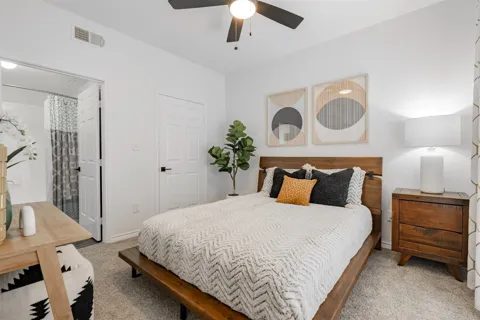
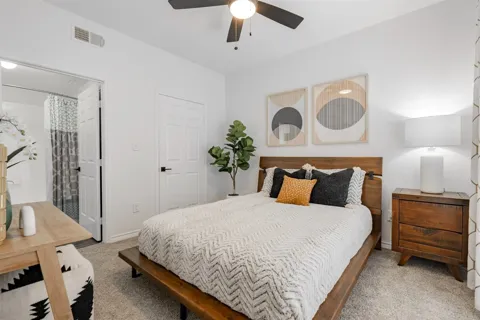
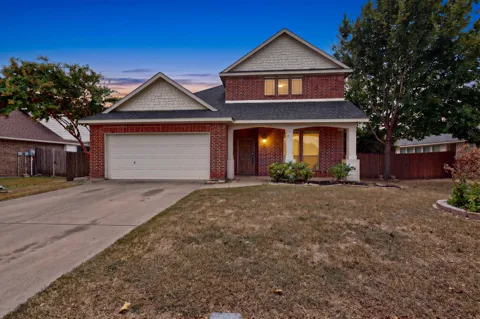
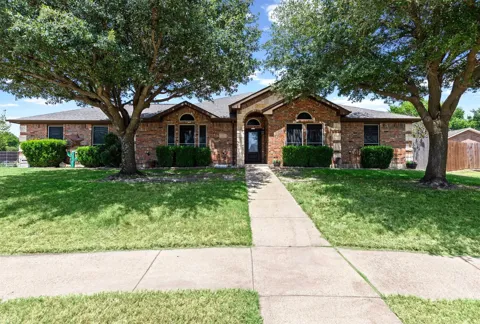
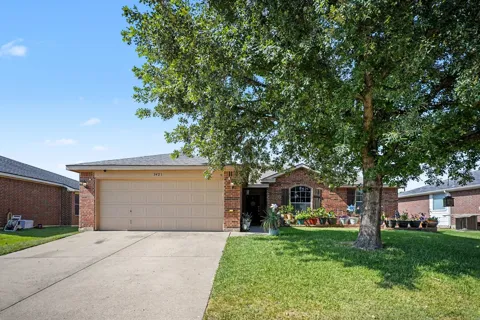
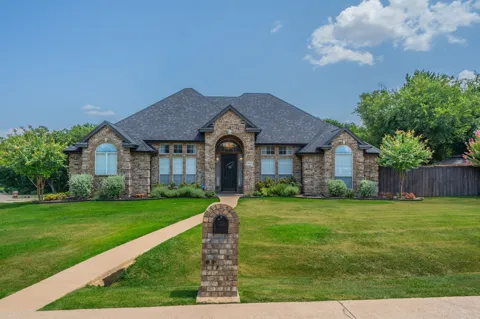
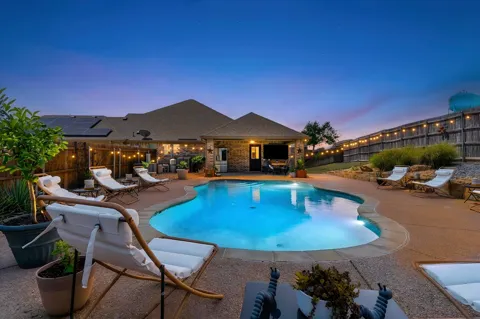
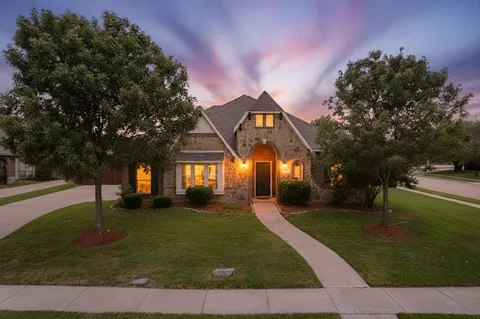
6251 Hayes Road
Midlothian, TX 76065
3 bd
3.5 ba
3060 sqft
1999
built

Cement Capital of North Texas
Welcome to Midlothian, the "Cement Capital of Texas" in northwest Ellis County, about 25 miles southwest of Dallas, where industrial heritage meets growing suburban neighborhoods.
Midlothian sits in northwest Ellis County, Texas, about 25 miles southwest of Dallas, at the intersection of U.S. Highways 67 and 287. With a population around 39,000, it occupies a strategic position between Dallas and Fort Worth and has become one of the southern Metroplex's notable growth communities. The city's identity is inseparable from geology and industry. Midlothian lies atop the Austin Escarpment, a thick limestone ridge that runs through the area, and that resource made it the "Cement Capital of Texas." Three cement production plants and a steel mill operate in and around the city, anchoring a durable industrial base that has defined its economy for generations. That heritage coexists with a residential community that has grown steadily as the Dallas-Fort Worth metroplex expanded southward. Midlothian's housing and neighborhoods reflect both eras. Its historic downtown retains a small-town Texas character with older homes and local businesses, while newer subdivisions and planned communities have spread across the surrounding landscape, drawing families and commuters. The city's school district, Midlothian ISD, serves the city and parts of several neighboring communities, and has expanded alongside the population. Transportation is a core asset. The intersection of U.S. 67 and U.S. 287 gives residents direct routes to downtown Dallas and Fort Worth, both reachable in roughly 30 minutes outside peak hours, with the wider Metroplex's employment, airports, and entertainment within easy range. Recreation centers on Mockingbird Nature Park, a roughly 60-acre preserve with trails, butterfly gardens, and native prairie donated to the city, alongside community parks and programs. Midlothian suits families, commuters, and buyers seeking space and relative affordability with convenient access to both Dallas and Fort Worth, all within a community that retains a clear sense of its industrial and small-town roots.
Midlothian is in northwest Ellis County, Texas, about 25 miles southwest of Dallas. It sits at the intersection of U.S. Highways 67 and 287, giving it convenient access to both Dallas and Fort Worth in the Metroplex.
Midlothian is known as the 'Cement Capital of Texas' because it is home to three cement production plants and a steel mill, built atop the limestone-rich Austin Escarpment that runs through the city.
Midlothian is served by Midlothian Independent School District, which operates campuses across the city and also serves parts of Cedar Hill, Grand Prairie, Mansfield, Ovilla, Venus, and Waxahachie, along with rural areas of northwestern Ellis County.
Midlothian is about 25 miles southwest of Dallas, with non-peak drives of roughly 30 minutes to downtown Dallas and about 30 minutes to Fort Worth via U.S. 67 and U.S. 287. Traffic on those corridors can extend commute times during peak hours.
Mockingbird Nature Park, a roughly 60-acre preserve donated to the city, offers hiking and biking trails, butterfly gardens, a pond, and native prairie. The city also maintains community parks and recreation programs, with the wider DFW metroplex nearby.
City Guide
Midlothian's housing market reflects its transition from an industrial town to a Metroplex suburb. The city offers established single-family homes in its older core, many on larger lots with mature trees, alongside a substantial supply of newer subdivisions built as the area grew. Ranch-style and traditional two-story homes dominate, with master-planned and amenity-rich communities on the city's edges. Housing has typically run more affordably than Dallas' northern suburbs, attracting families and first-time buyers seeking newer construction and space. The city's position between Dallas and Fort Worth, combined with its school district and growth, has made it a consistent draw for relocating households, with options ranging from in-town homes to larger executive properties.
Midlothian's neighborhoods spread from a historic downtown core outward into newer subdivisions. The original townsite retains older homes, tree-lined streets, and a small-town commercial center, while the surrounding areas have filled in with 1990s-and-later suburban development, including planned communities with parks and amenities. The city's growth has extended its residential footprint along the U.S. 67 and U.S. 287 corridors, with neighborhoods of varying sizes and ages across its roughly 38 square miles. Communities near Mockingbird Nature Park and the city's schools anchor family-oriented pockets, and the overall pattern is a blend of established small-town streets and newer, sidewalk-lined subdivisions typical of the southern Metroplex.
Midlothian offers a growing suburban lifestyle with a distinctly Texan, industrial-rooted identity. The city's residential neighborhoods, schools, and parks have expanded as the Dallas-Fort Worth metroplex pushed southward, while its cement and steel plants remain a visible part of the local economy and character. Residents balance a slower, family-oriented pace with convenient access to both Dallas and Fort Worth. Community life centers on schools, churches, and a historic downtown that retains its small-town Texas feel, while new retail and dining have followed the residential growth. Weekends offer trails and parks locally, with the full range of Metroplex attractions, sports, and airports within a 30-to-45-minute drive. It is a place for families and commuters seeking space, affordability, and a short route to the region's two largest employment centers.
Midlothian is served by Midlothian Independent School District, which operates a network of elementary, middle, and high school campuses across the city. The district also serves parts of neighboring Cedar Hill, Grand Prairie, Mansfield, Ovilla, Venus, and Waxahachie, along with rural areas of northwestern Ellis County, making it a regional district that has grown with the area's population. The district's schools anchor community life, and its expansion has tracked the city's residential development. Higher education is accessible through Navarro College's Midlothian campus and institutions across Dallas-Fort Worth, giving residents a broad educational landscape within commuting distance.
Midlothian sits at the intersection of U.S. Highways 67 and 287, providing direct routes north to Dallas and west toward Fort Worth. Downtown Dallas is about 25 miles away, with non-peak drives of roughly 30 minutes, and Fort Worth is similarly about 30 minutes, though traffic on U.S. 67 and the Interstate 35E approach can extend peak-hour commutes. The city has no fixed-route transit, so residents rely on personal vehicles. Dallas-Fort Worth International Airport and Dallas Love Field are both reachable within about 45 minutes, and the highway network connects Midlothian to Arlington, Mansfield, and the wider Metroplex, making it a practical base for commuters across the region.
Mockingbird Nature Park is Midlothian's signature outdoor space, a roughly 60-acre preserve with hiking and biking trails, butterfly gardens, a pond, bluebird nestboxes, and restored native prairie, donated to the city by Holcim Corporation. The park hosts nature programs through the Indian Trail Master Naturalists. The city's community parks provide sports fields, playgrounds, and gathering space across its neighborhoods, and its recreation department runs seasonal programs and events. The broader region extends the offering: Cedar Hill State Park and Joe Pool Lake lie to the north, and the Dallas-Fort Worth Metroplex's cultural, sports, and entertainment attractions are within a short drive.
MARKET SNAPSHOT
How homes have been selling here over the last 90 days.
Market data reflects closed sales over the last 90 days and is provided for informational purposes.
BROWSE BY ZIP
Browse listings by postal code in this area.